Cards are a simple yet meaningful way to communicate emotions, celebrate achievements, and share important information. From birthday greetings and wedding invitations to professional announcements and seasonal wishes, cards help people connect with others through thoughtful messages. In the past, creating attractive cards often required artistic skills and specialized design software. Today, digital technology has made the process much easier, allowing anyone to explore creative ideas and prepare personalized designs for different occasions.
Why Personalized Cards Matter
A personalized card carries more meaning than an ordinary greeting because it reflects the sender’s effort and creativity. Adding someone’s name, a favorite photograph, or a thoughtful message can make a simple design feel special.
These cards are useful for maintaining relationships with family members, friends, colleagues, and customers. They also provide an opportunity to communicate appreciation, celebrate milestones, and share positive messages.
For businesses, customized cards can support professional communication and help create a recognizable visual identity. For personal occasions, they offer a creative way to make celebrations more memorable.
Exploring Different Card Styles
There are several card styles available, and each serves a particular purpose.
Birthday Cards: These designs often feature colorful backgrounds, attractive illustrations, and cheerful messages. Personal photographs can make them more meaningful.
Wedding Invitations: Wedding invitations communicate important event details, including names, dates, locations, and celebration information. Elegant layouts can create a beautiful first impression.
Greeting Cards: General greeting cards are suitable for festivals, holidays, congratulations, and other special moments.
Thank You Cards: These designs help people express appreciation for gifts, assistance, hospitality, or thoughtful gestures.
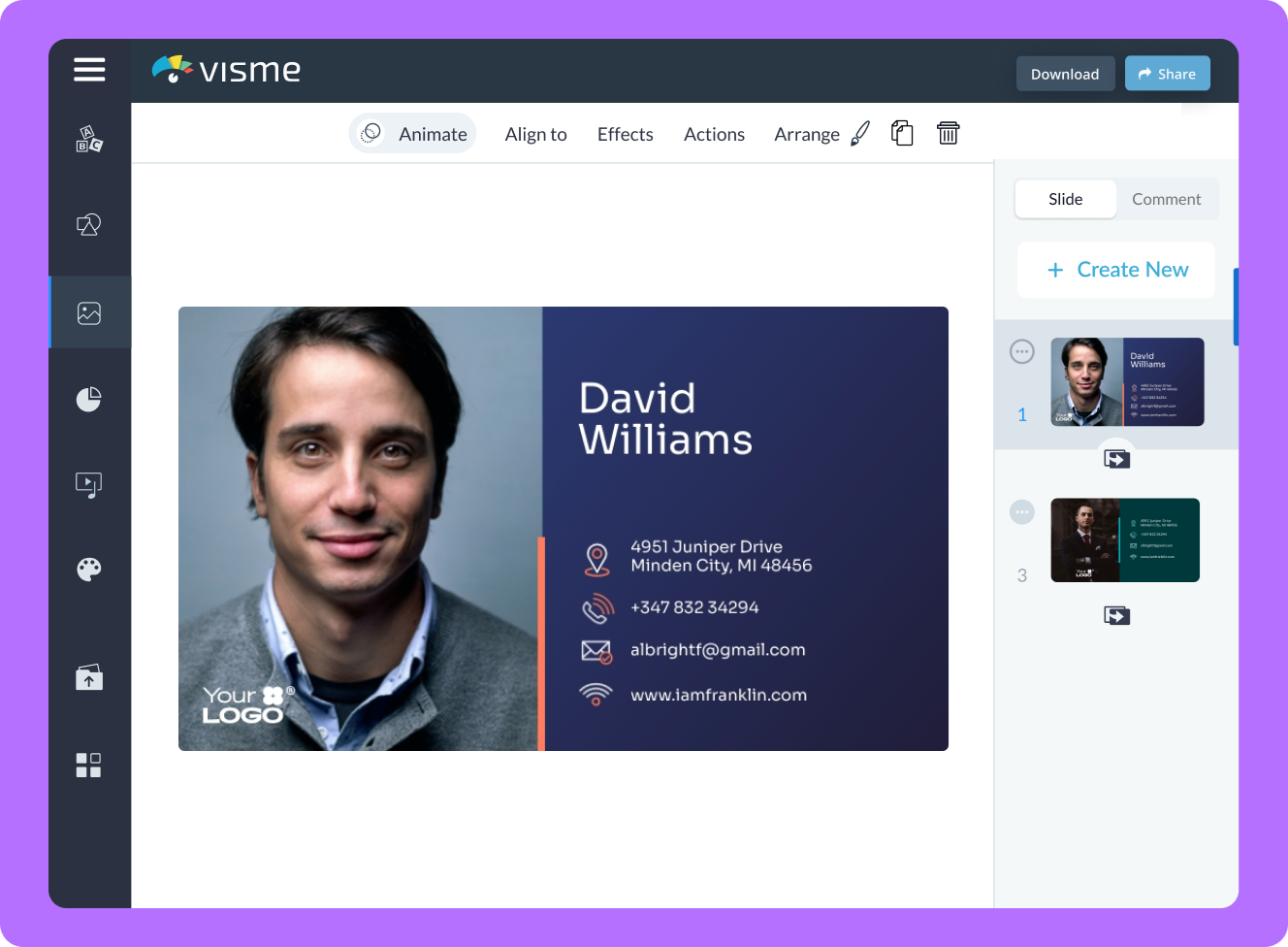
Business Cards: Professional cards display names, contact details, company information, and branding elements that help individuals establish useful connections.
Choosing the correct style ensures that the design matches the occasion and intended audience.
Benefits of Using Digital Designing Methods
Digital card creation offers several advantages for people who enjoy creative projects. Convenience is one of the biggest benefits because designs can be prepared using computers, smartphones, and tablets.
Another advantage is customization. Users can experiment with different backgrounds, fonts, colors, photographs, and decorative elements. They can also make changes without having to start the entire project again.
Digital designs are easy to save and distribute. Completed cards can be shared through email, messaging applications, and social media. They can also be printed when a physical version is preferred.
How to Design an Attractive Card
Creating a professional-looking card becomes easier when you follow a few organized steps.
1. Decide on the Purpose: Identify whether the card is intended for a birthday, wedding, business event, holiday, or another occasion.
2. Select a Suitable Template: Choose a layout that matches the theme and provides sufficient space for important information.
3. Choose Appropriate Colors: Use colors that complement the occasion. Soft shades work well for formal invitations, while brighter combinations suit cheerful celebrations.
4. Add Personal Information: Include names, photographs, dates, and meaningful messages where necessary.
5. Review the Design: Check spelling, image quality, spacing, and alignment before saving or printing the final version.
Following these steps helps maintain a balanced and attractive appearance.
Modern Tools for Creative Card Designing
Online design platforms have made personalized projects accessible to beginners and experienced users. A card generator can provide editable templates, background customization, image uploads, decorative illustrations, and multiple typography options.
Some platforms also offer downloadable designs that are suitable for digital sharing or professional printing. Users can explore different layouts and adjust individual elements until they achieve the desired appearance.
When choosing a platform, consider its template collection, editing features, download formats, and ease of use. A reliable tool should make the process straightforward while allowing enough creative freedom.
Cards for Businesses and Professional Activities
Businesses can use customized cards for promotional campaigns, customer appreciation, event invitations, and seasonal greetings. Including company colors, branding elements, and contact information helps maintain a consistent professional appearance.
Business cards are particularly valuable for networking because they provide essential details in a convenient format. A clean design with readable information can help create a positive impression during professional meetings.
Tips for Creating High-Quality Cards
Always keep the design simple and focused on its main message. Use readable fonts, suitable colors, and clear photographs. Avoid placing too many decorative elements in one area.
For printed cards, check the dimensions, paper quality, and finishing options. Before sharing a digital version, make sure the design looks clear on different screen sizes.
Conclusion
Personalized card designing combines creativity, convenience, and meaningful communication. Whether preparing a birthday greeting, wedding invitation, appreciation message, or professional introduction, a thoughtful design can make the occasion more memorable. By selecting appropriate layouts, attractive colors, and relevant messages, anyone can create cards that express their ideas beautifully and leave a positive impression.